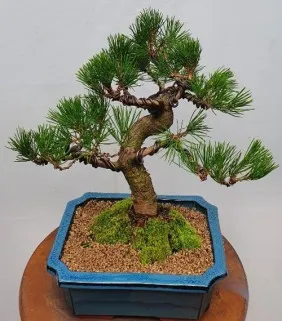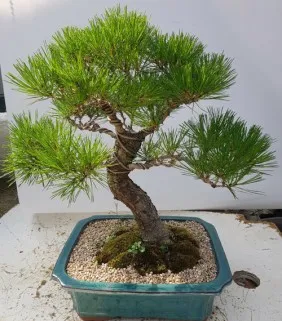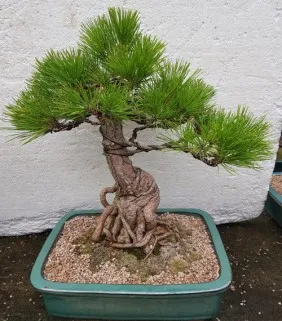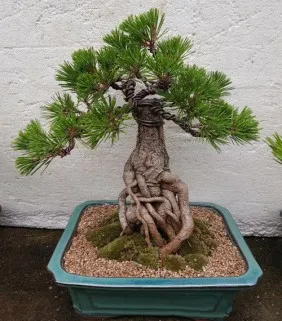
Bonsai is a plant that allows you to enjoy the natural appearance of a tree in a small pot.
The beauty of a single tree is expressed through the curve of the trunk, arrangement of branches, color of leaves, and harmony with the flower pot. It can be used as a gift for opening a business, inauguration, promotion, housewarming, etc. It is unique in that it can even convey the joy of caring for plants.
However, depending on the type of bonsai, sunlight, temperature, watering, and pruning methods vary greatly. Before gifting, it is recommended to choose a tree species that suits the recipient's taste and growing conditions.
What is bonsai?
Bonsai is a cultivation and appreciation method that expresses the natural landscape in miniature by planting trees in small pots and managing the branches, stems, and roots.
While general foliage plants are often selected based on the shape of their leaves and interior decoration effects, bonsai is characterized by appreciating the tree's shape, growth process, and seasonal changes.
The direction in which the tree grows, the balance of the branches, the thickness of the stem, and the shape of the flower pot combine to make it look like a work of art.
One of the charms of bonsai is that even if it is the same tree species, each individual tree has a different shape, making it difficult to find the same design.
Congratulations on opening and relocating business
You can give a bonsai tree as a gift to someone who is starting a new business or relocating a store.
The image of a tree that has been carefully maintained for a long time goes well with a new start, and can add a natural atmosphere to an office or reception space.
However, since the site may be busy on the day of the opening ceremony, it is a good idea to check whether the person who will receive the bonsai and the place where it will be cared for afterwards are designated.
Congratulations on promotion and inauguration
Bonsai can also be a meaningful congratulatory gift for someone who has been promoted or taken on a new position.
Bonsai, with its neat tree form and natural atmosphere, can be enjoyed in a private office or drawing room.
If you are preparing it as a formal gift, choose a size that suits the recipient's taste and office environment, and prepare a congratulatory message with the name and title accurately written.
Housewarming and special anniversary
It is also a good idea to give a bonsai tree as a gift to family or friends who like trees or plants.
A bonsai tree with leaves that change depending on the season or a unique stem shape can be a special gift for someone who enjoys appreciating plants.
However, there are some tree species that need to be managed outdoors, so you should first check whether they are suitable for people who want to grow them only indoors.
Representative bonsai types and characteristics
Bonsai does not refer to one specific type of plant. You can grow a variety of trees as bonsai, including pine trees, juniper trees, and maple trees.
Each tree species has different growth characteristics, appreciation methods, and required cultivation environments.
Pine Bonsai
Pine trees are characterized by needles that are green all year round, thick stems, and natural branch shapes.
It is widely used in traditional bonsai because you can appreciate its tree shape that looks like a tree that has grown over a long period of time.
However, pine is an outdoor cultivated species that requires sufficient sunlight and ventilation. It may not be suitable for long-term use as interior decoration.
Juniper Bonsai
Juniper is a type of bonsai where you can appreciate the curves of the stem, the shape of the branches, and the atmosphere given by the evergreen leaves.
It can be grown in various shapes with branches spreading out to the sides or curved stems, making it suitable for people who value the beauty of the tree itself.
In general, outdoor sunlight and ventilation are important, but exact management conditions must be confirmed depending on the tree species and local climate.
Maple Bonsai
The charm of maple bonsai is that you can enjoy the changing leaves depending on the season.
You can feel the different atmosphere of each season, from the leaves in spring and summer, to the foliage in fall, and even the appearance of branches in winter.
Maple trees are deciduous trees, so dropping their leaves during the winter may be a natural part of their growth process.
Since it is a tree species that requires seasonal changes outdoors, the care method is different from potted plants that can be enjoyed indoors throughout the year.
Bonsai that can be managed indoors
Among bonsai, there are also products using some tropical tree species such as Benjamin's rubber tree.
These tree species can be managed indoors by ensuring appropriate light, temperature, and ventilation.
However, just because it is an indoor type, you should not think that it grows well in dark places.
When choosing a bonsai for a gift, it is important to check the exact species and whether it can be maintained indoors.
The beauty of bonsai is determined by its tree shape
When choosing a bonsai, it is a good idea to look at not only the size and type of the tree, but also the shape of the trunk and branches.
Stems that grow straight create a neat and stable atmosphere, while naturally curved stems create a deep atmosphere like an old tree.
Trees leaning in one direction or branches falling down are also various expressions of bonsai.
Flower pots also affect the overall atmosphere.
Compare whether the pot is too large or too small compared to the size of the tree, whether the direction of the stem and branches is natural, and whether the overall balance is good.
However, since bonsai is a living tree, the tree shape is different for each individual. If it is important that the product has the same form as the product photo, it is recommended to ask the ordering company whether it is possible to confirm the actual delivered item.
What is the difference between bonsai and regular foliage plants?
Both bonsai and foliage plants can be enjoyed by planting them in pots, but there are differences in the selection criteria.
Bonsai focuses on maintaining and appreciating the trunk, branches, and overall shape of a tree over a long period of time. Depending on the species, pruning, repotting, and seasonal care may be important.
foliage plants is a product mainly for appreciating the color and shape of leaves and the overall form of plants. There are many types of materials used to decorate indoor spaces.
Bonsai may be a good choice for those who have a lot of management experience and enjoy the process of caring for trees.
On the other hand, if it is difficult to spend a lot of time on plant care or your main purpose is interior decoration, compare foliage plants that fit your environment.
Can bonsai be grown indoors?
One of the things people who buy bonsai for the first time should pay most attention to is the growing location.
Not all bonsai plants can be grown in living rooms or offices for long periods of time.
For many temperate tree species that require seasonal changes, such as pine and maple, management in an outdoor environment is essential.
In particular, if tree species that require winter dormancy and seasonal changes are kept in a warm room, it may be difficult for them to grow healthily.
On the other hand, some tropical tree species can be managed indoors as long as the room temperature is appropriate and sufficient light is provided.
Therefore, when giving a bonsai as a gift, first distinguish the following points.
It is more important to confirm the exact type of tree than the brand name of bonsai.
- Is this a tree species that needs to be managed outdoors?
- Is this a tree species that can be managed indoors?
- Is separate protection or dormancy management necessary in winter?
- Is the recipient able to secure suitable cultivation areas?
Sunlight and ventilation
The amount of sunlight needed for bonsai varies depending on the tree species.
Many outdoor bonsai trees require ample sunlight and ventilation, but there are also species that require protection from strong summer sunlight.
Indoor bonsai can also grow healthily if there is adequate lighting.
It is recommended to check the plant type and then follow the care method appropriate for the season.
Watering
Bonsai pots are often relatively small or shallow, so the soil can dry out quickly.
However, not all bonsai plants need to be watered every day.
Moisture requirements vary depending on the type of tree, season, pot size, and soil condition.
It is important to check the dryness of the soil before watering and check whether drainage is smooth after watering.
Pruning
Bonsai trees are sometimes pruned to maintain the tree's shape and control the growth of new branches.
However, all trees should not be cut down at the same time and method.
The appropriate time for pruning varies depending on the tree species and growth condition, so if it is your first time managing a bonsai, it is recommended to check the tree's care method first.
Repotting
As a tree grows, its roots may crowd inside the pot or soil drainage may worsen.
In these cases, you may consider repotting, but not all bonsai plants need to be repotted at equal intervals.
It is best to decide when and how to repot based on the tree species, growth condition, and season.
Winter management
Winter management also varies greatly depending on the tree type.
Tree species that require seasonal changes, such as pine and maple, and tropical tree species that are sensitive to low temperatures have different ways of spending the winter.
Even if a bonsai is grown outdoors, the roots inside the pot can be affected by strong cold, so they must be protected considering the local temperature and the cold resistance of each species.
Moving all bonsai plants indoors in the winter may not be appropriate.
What does the price of bonsai depend on?
The price of bonsai can vary depending on the tree species, size, shape, growth condition, pot composition, cultivation and management history, etc.
Even for the same tree species, product evaluation varies depending on the shape of the stem, balance of branches, and overall completeness.
When comparing bonsai, consider the following:
Just because a tree is older does not necessarily mean it is a good bonsai. It is recommended to consider tree shape, health status, and manageability.
- Accurate tree species and growth status
- Shape of stem and branches
- Full size including tree and flower pot
- Indoor/outdoor management conditions
- Composition of actual delivered product
- Final price including shipping cost and packaging conditions
Things to check before shipping bonsai
Bonsai is a living tree, so care must be taken not to damage the branches or pot during delivery.
Especially for products with complex tree shapes or heavy pots, it is important to check the size and delivery method.
1. Tree species and actual product condition
Check the type and size of the tree you want and the condition of the leaves and branches. The shape of the product photo and the actual object may differ.
2. Full dimensions including flowerpot
Look not only at the height of the tree, but also the width of the branches spread and the weight of the pot.
3. Delivery location and recipient
Please prepare the recipient's name and contact information, accurate delivery address, and possible date of receipt.
4. Congratulatory message
You can prepare a message that suits the purpose of the gift, such as opening a business, inauguration, or promotion. Please check actual product options to see if ribbon or card is available.
5. How to care after delivery
Communicating the exact name of the tree and growing conditions to the recipient will help with subsequent management.
You must check the latest information from the place of order for sales availability and delivery conditions for each product.
When it comes to bonsai gifts, the taste of the recipient is important.
Bonsai is a plant gift that allows you to not only appreciate the beauty of the tree but also enjoy the pleasure of cultivating it yourself for a long time.
It can be used as a meaningful gift to celebrate new beginnings such as opening a business, promotion, or inauguration, but it is not suitable for everyone.
Consider whether you like trees and plants, whether you have the time and space to care for them, and whether you can secure a suitable place to grow them indoors or outdoors.
If you choose a tree species and type that suits the recipient's taste, it can be a gift that will be remembered for a long time.